
Hi, how are you? Today’s topic is about whiskey—a type of Western liquor—but do you enjoy it?
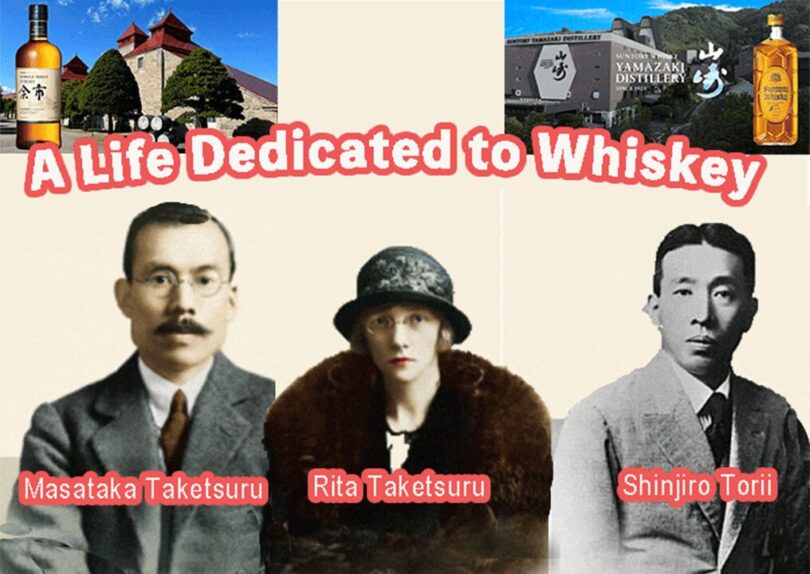
Above all, this is the story of Masataka Taketsuru (1894–1979), who can be called the “father of whiskey” for the Japanese people.
And his wife, Rita Taketsuru (1896–1961)—a couple who took on the challenge of producing authentic whiskey in Japan.
First, please watch this short video.
Who was Masataka Taketsuru known as the “Father of Japanese Whiskey”?
Masataka Taketsuru was born in (June 20, 1894 – August 29, 1979) as the third son of a sake brewer in Takehara City, Hiroshima Prefecture. As a child, he spent his days playing in the sake brewery and grew up surrounded by the process of sake production.
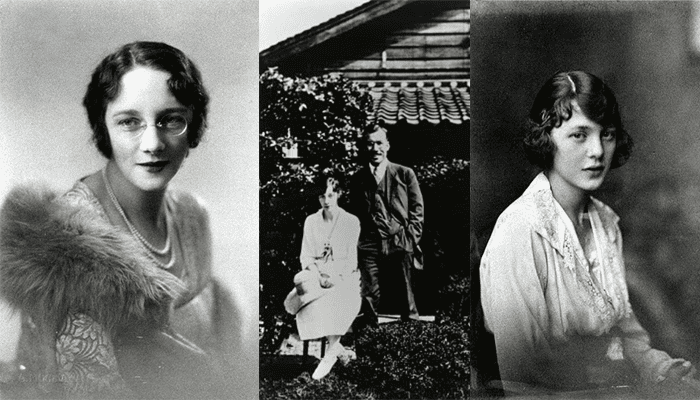
Rather than taking over his family’s sake business, he traveled to Scotland to learn the craft of authentic whiskey-making. There, he met Rita (1896~1961), a Scottish woman who would become his wife; they married and returned to Japan together in 1920 (Taisho 9).
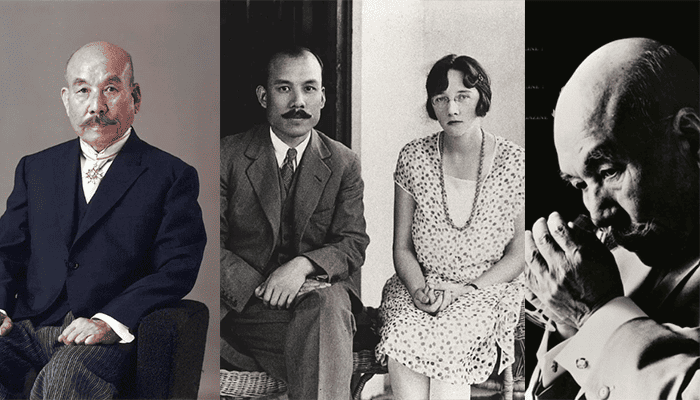
He met Mr. Shinjiro Torii (1879~1962), the founder of what is now Suntory (then known as Kotobukiya), who possessed such a keen sense of smell and taste that he was nicknamed “the Nose of Osaka.” In 1923 (Taisho 12), Mr. Torii, brimming with ambition to popularize Western spirits in Japan, welcomed Mr. Taketsuru into his company, Kotobukiya.
However, in those days, Western spirits—and whiskey in particular—were still far from appealing to the Japanese palate. They failed to catch on, meaning whiskey didn’t sell at all. Thus began a life of immense hardship for the three of them, including Rita, who was supporting her husband.
Please enjoy this story to the very end.
The Journey and Passion of Masataka Taketsuru
• Studying Abroad Alone in Scotland: During the Taisho era(1912~1926), he undertook extensive practical training at Scottish distilleries while studying chemistry, all to learn how to make authentic whiskey.
• Meeting His Wife, Rita: He returned to Japan with his Scottish wife, Rita (Rita Taketsuru), whom he met in a fateful encounter there, and together they laid the foundation for Japanese whiskey.
• Founding the Yoichi Distillery: Seeking the ideal climate and terroir for crafting authentic whiskey, he traveled to Yoichi Town in Hokkaido, built the Yoichi Distillery, and poured his passion into it.
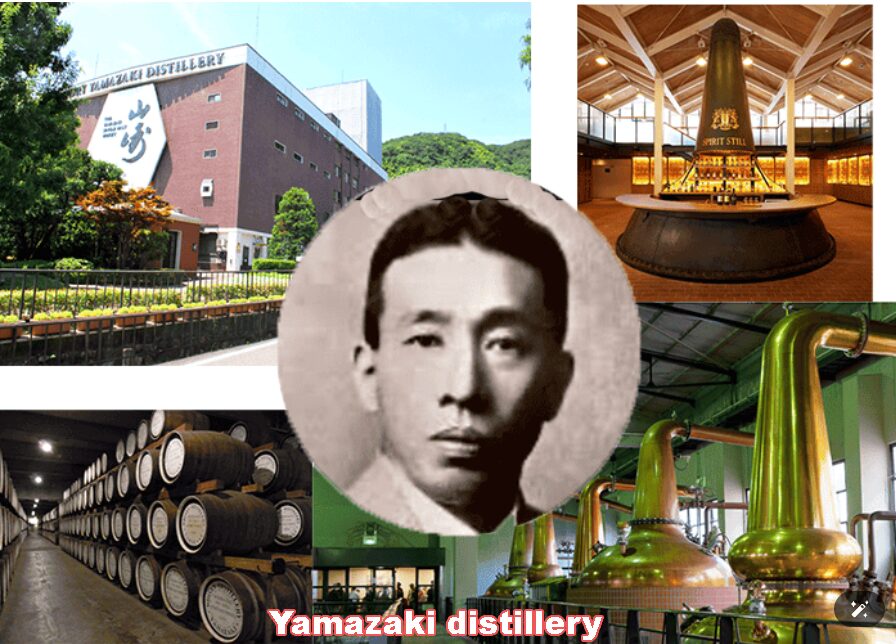
Furthermore, in the history of Japanese whiskey, Shinjiro Torii, the founder of Suntory, is also known as a man who staked his life on Japan’s Western-style spirits culture by taking on the challenge of building the Yamazaki Distillery.
Shinjiro Torii had never studied in Scotland. Furthermore, rather than saying he “studied under” Taketsuru, it would be more accurate to say that he “recruited Taketsuru, who possessed authentic techniques, and welcomed him as the head of his project (distillery manager).”
He is also known as the “King of Debt”
1. Shinjiro Torii’s Career: A “Genius Blender” Who Learned the Trade on the Job
Instead of studying in Scotland, Mr. Torii began working as an apprentice at a pharmaceutical wholesaler and a Western liquor merchant in the Senba district of Osaka when he was still a teenager. There, he learned the techniques of blending Western spirits and the know-how of selling them through hands-on experience.
Known as “the pride of Osaka” for his genius, Mr. Torii used the profits from “Akatama Port Wine”—a product he personally blended and turned into a massive hit—and he also took out a large loan from lenders as seed money to undertake the construction of Japan’s first authentic whiskey distillery (the Yamazaki Distillery).
2. The Meeting of Two Men: The Executive and the Technical Leader
Initially, Mr. Torii had planned to invite authentic engineers from Scotland to Japan. However, as he conducted his research, he learned that “there was no need to go to the trouble of bringing someone from overseas—there was an outstanding Japanese man named Masataka Taketsuru who had completed his apprenticeship in Scotland and returned home.”
At the time, although Mr. Taketsuru had returned to Japan, his dream of making whiskey had been derailed due to circumstances at his employer, and he was going through a difficult period. Recognizing his potential, Mr. Torii offered him an exceptionally high salary for the time (an annual salary of 4,000 yen, equivalent to tens of millions of yen today) and recruited Mr. Taketsuru to Kotobukiya (now Suntory) in Taisho 12 (1923).
3. Their Relationship at the Yamazaki Distillery
The duo consisted of Mr. Torii as the “executive (owner and master blender)” and Mr. Taketsuru as the “chief engineer (first plant manager of the Yamazaki Distillery).”
• Mr. Taketsuru: Based on the notes he had taken while studying in Scotland (the “Taketsuru Notes”), he recreated the authentic equipment and production processes in Japan.
• Mr. Torii: He provided the enormous funds needed for construction and, while shouldering the risk of a maturation process that would take many years, took the lead as the blender who determined the final flavor profile.
Thus, Mr. Torii was not Mr. Taketsuru’s “student”; rather, their relationship was that of “a great producer who created a new whiskey industry in Japan by making the most of Mr. Taketsuru, a technician of the highest caliber.”
Later, the two parted ways over differences in their views on the flavor of whiskey and the ideal location for production, leading Mr. Taketsuru to strike out on his own (founding Nikka Whisky).
The split between Shinjiro Torii and Masataka Taketsuru—and the differences in the whiskey flavors they each sought to achieve—constitute one of the most dramatic chapters in the history of Japanese whiskey.

1. The Decisive Clash Over “Flavor”
The greatest conflict between the two arose over the evaluation of “Suntory Whisky Shirofuda,” released in 1929 as Japan’s first authentic whisky.
• Taketsuru’s Ideal: The “Smokiness” of Authentic Scotch
The whisky Taketsuru produced was an authentic Scotch-style whisky. It had a strong aroma of peat and a very rich, smoky (burnt) flavor. Mr. Taketsuru believed, “This is the real thing, and we must not compromise.”
• Mr. Torii’s Ideal: “Ease of Drinking” Suited to the Japanese Palate
Many Japanese people who tasted “Shirofuda” at the time reacted negatively, saying it was “smoky” or “tasted burnt and undrinkable.” Sales were poor, and Mr. Torii, the business executive, argued, “No matter how authentic it is, it won’t sell unless Japanese people find it delicious. We should refine it into a delicate, elegant flavor that suits Japan’s climate and food culture.”
The rift between Mr. Taketsuru, the “technician” who wanted to staunchly defend authentic traditions, and Mr. Torii, the “business executive and blender” who wanted to develop the Japanese market, became decisive at this point.
2. The Conflict Over the “Ideal Location”
The two men’s opinions diverged not only on flavor but also on the “location” where the whiskey would be aged.
• Mr. Taketsuru’s Commitment (The Cold Northern Lands)
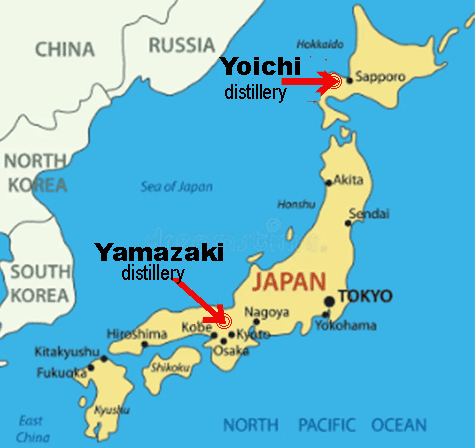
Mr. Taketsuru was eager to build a distillery in Hokkaido, where the climate and natural conditions closely resembled those of the Scottish Highlands.
• Mr. Torii’s Stance (Convenience of Transportation and Water)
Mr. Torii judged that, in the whiskey business—where aging takes many years—logistics in Hokkaido at the time were far too inconvenient. Furthermore, he would not compromise on the Yamazaki site in Kyoto, known for its famous spring water and its proximity to major markets such as Osaka and Kyoto.
3. A Graceful Parting and Their Respective Masterpieces
As the “10-year contract” signed in Taisho 12 (1923) neared its end, the two men resolved to go their separate ways.
In 1934, Mr. Taketsuru left Kotobukiya (Suntory) and finally headed to Yoichi, Hokkaido—the location he had long desired—where he established the company that would become the predecessor of Nikka Whisky.
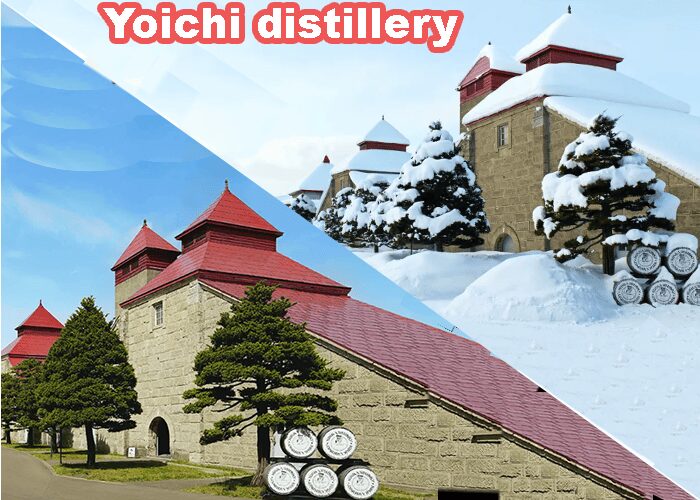
It is said that Mr. Torii did not stand in the way of Mr. Taketsuru’s independence but instead honored his achievements to date and saw him off.
After parting ways, the two set out to give shape to their respective “ideals.”
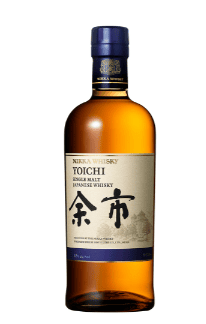
① Founder: Masataka Taketsuru ② Company: Nikka ③ Desired flavor profile: A robust, smoky flavor that upholds Scottish tradition ④ Direction of Signature Works: Authentic, full-bodied whiskies with rich peat aromas that impress even connoisseurs of authentic Scotch ⑤ Signature Products: “Yoichi” (released in 1940 [Showa 15]); “Single Malt Yoichi” was first released in 1989 (Heisei 1)
① Shinjiro Torii ② Suntory ③ A vibrant and mellow flavor suited to the Japanese palate
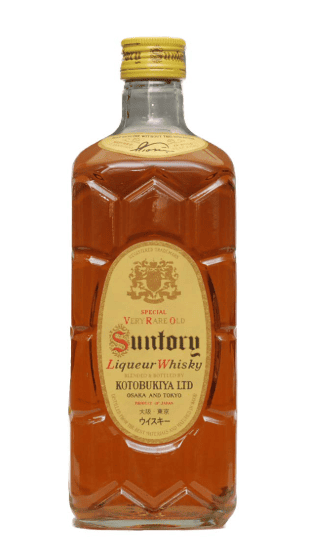
④ A smash hit that matches the Japanese palate’s refined sensibilities and remains beloved to this day ⑤ “Kakubin(square bottle)” (released in 1937)
It was precisely because of these two men’s intense dedication and their willingness to break with tradition that Japanese whiskey today has achieved both “quality surpassing that of the homeland” and “a delicacy unparalleled in the world,” growing to be recognized as one of the world’s five major whiskeys.
(The world’s five major whiskies are Scotch, Irish, American, Canadian, and Japanese)
Well then, the road ahead for these two will be a thorny one, and the drama of their respective obsessions is about to begin
From Mr. Torii’s heartrending struggles to perfect the “Kakubin” to the period when Mr. Taketsuru persevered by making apple juice in Hokkaido until his whiskey began to sell—for these two men, who had parted ways, the path that awaited them as they pursued their respective ideals was one of unimaginable hardship.
1. Nikka’s Taketsuru: The “Apple” Era Until Whiskey Sold
Meanwhile, what awaited Mr. Taketsuru when he moved to Yoichi, Hokkaido, in 1934 was the greatest obstacle in whiskey-making: the fact that it “takes time.”
• Beginnings as “Dainippon Juice Co., Ltd.”
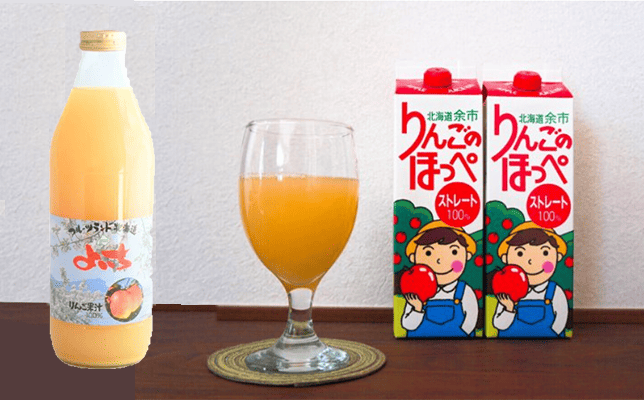
Whiskey cannot be sold as a finished product until it has been distilled and aged in barrels for several years. To secure income during that time, Taketsuru decided to manufacture and sell 100% apple juice made from apples—a specialty of Yoichi. This is the origin of the company name “Nikka” (Nikka, meaning “Japanese Fruit”).
• An Uncompromising Commitment to Authenticity
However, Mr. Taketsuru’s commitment to quality extended even to the juice. Because he insisted on producing a pure, unadulterated product, sediment tended to settle at the bottom of the bottles—a problem that couldn’t be fully addressed with the technology of the time—resulting in a mountain of returned bottles.
The company continued to operate at a loss, and investors pressured him, demanding, “Start selling whiskey already!” and “Just take it out of the barrels, dilute it, and sell it.” However, Mr. Taketsuru stubbornly refused, declaring, “I will absolutely never sell such a fake product.” Together with his wife, Rita, he patiently endured the long wait as the unblended spirit matured.
• The First Shipment in the Sixth Year
Then, in 1940, the first “Nikka Whisky” was finally released. Its authentic flavor—rich and peaty, true to Scottish tradition—astonished even the most discerning connoisseurs of Western spirits.
2. Mr. Torii of Suntory’s Struggle: The Birth of the “Kakubin”—Staking the Company’s Fate
When his first whiskey, “Shirafuda,” failed to sell and was harshly criticized by the public as having a “burnt smell,” Mr. Torii never gave up, even while facing massive losses.
• The Relentless Blending Known as “Osaka’s Nose”
Mr. Torii shut himself away at the distillery every day, continuously blending hundreds of types of base spirits in mind-boggling combinations. He sought a flavor that would make Japanese people exclaim “Delicious!” while also possessing genuine depth.
• The Major Comeback in the 10th Year
In 1937, 14 years after the construction of the Yamazaki Distillery, he finally arrived at a golden ratio that satisfied him. This is none other than “Suntory Whisky Kaku-bin” (known at the time as the “12-Year-Old Bottle”), which is still loved throughout Japan today.
Bottled in cut glass featuring a tortoiseshell pattern, this whisky’s rich and mellow flavor perfectly matched the Japanese palate, becoming an instant smash hit. It became the miraculous bottle that literally saved Suntory’s whisky business from the brink of bankruptcy.
The conclusion of their “life-or-death gamble,” which continues into the present day
Nikka’s “Yoichi,” crafted by Mr. Taketsuru based on his belief in authentic traditions, won the top prize at a global competition held in Scotland—the birthplace of whiskey—and sent shockwaves through the British whiskey world.
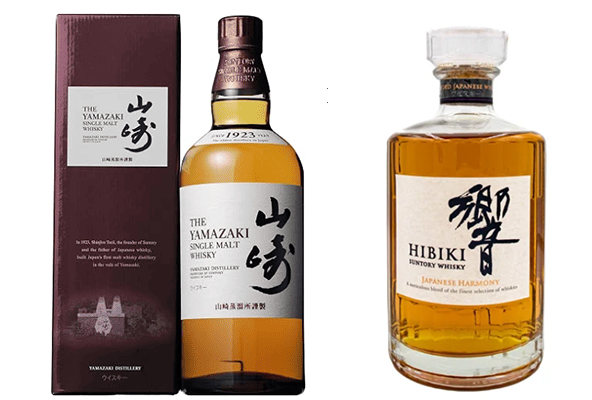
Suntory, crafted by Mr. Torii based on his faith in the Japanese palate, went on to produce world-class single malts and blended whiskies such as “Yamazaki” and “Hibiki.”
Although their approaches differed, both men staked their entire lives on whiskey, and the fact that both were right has been proven by the current global acclaim for Japanese whiskey.
Learning about this passionate history allows you to appreciate the taste of whiskey on an even deeper level.
So, if you’re interested, I’d like to introduce a comparison of the “specific flavor differences and recommended ways to enjoy” the current bottlings of Suntory (Yamazaki, Hakushu, etc.)—the culmination of Mr. Torii’s work—and Nikka (Yoichi, Miyagikyo, etc.)—the embodiment of Mr. Taketsuru’s spirit—as well as the “specific flavor differences” and “recommended ways to enjoy them that bring out their full appeal.”
Suntory vs. Nikka: A Comparison of Flavors and Bottles
① Brand, ② Representative Bottles, ③ Flavor Characteristics, ④ Recommended Ways to Enjoy
① Suntory (Mr. Torii’s lineage) (Non-Vintage), ② Yamazaki, ③ A vibrant and sweet finish; the sweetness of ripe fruits like persimmons and peaches harmonizes with
the noble aroma reminiscent of Japanese shrines and temples, derived from Japanese “Mizunara” oak barrels, ④ Neat / with water; start by drinking it neat
to enjoy the aroma, then gradually add water to allow the floral notes to open up even further.
① Nikka (Taketsuru’s lineage) (Non-Vintage) ② Yoichi, ③ Powerful and rich smokiness; the distillery continues to uphold the traditional “direct-fired coal distillation” method, characterized by a briny aroma, rich peat smoke, and a robust body, ④ Highball / On the Rocks: Even when mixed with carbonated water, its character remains completely intact. Enjoy a masculine, crisp, and refreshing sensation.
★ Comparing the Differences in “Single Malts” with Another Masterpiece
Both companies also offer bottles from “second distilleries” located in different environments, which provide another striking contrast.
• Suntory “Hakushu”: Located in the forests of the Southern Alps in Yamanashi Prefecture.
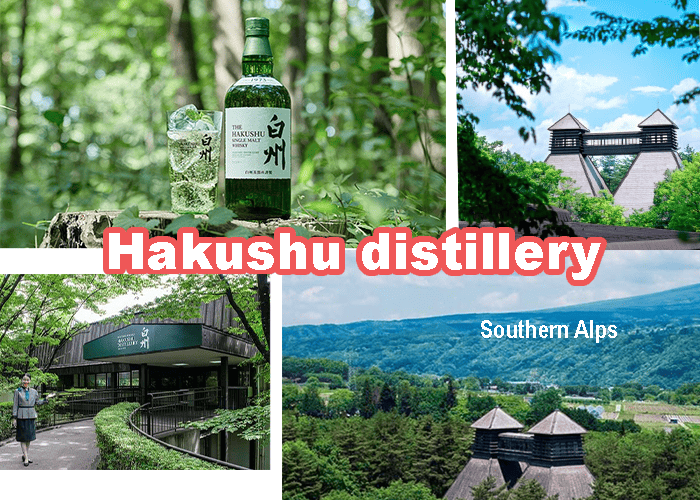
◯ Taste: A crisp “aroma of fresh, lush greenery” and a light, clean finish.
◯ Recommendation: It’s supremely refreshing as a “Forest-Scented Highball” garnished with mint.
• Nikka “Miyagikyo”: Located in a lush, green gorge in Miyagi Prefecture.
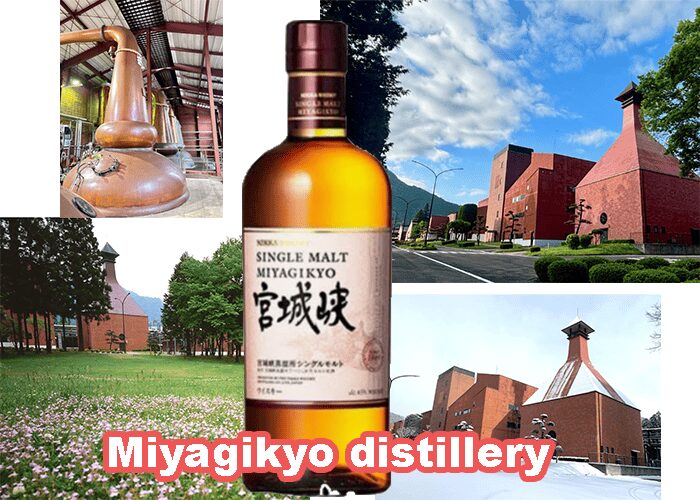
◯ Taste: A vibrant, fruity sweetness crafted by Mr. Taketsuru with the intention of creating “a whisky that contrasts with Yoichi.”
◯ Recommendation: Served on the rocks, it brings out fruity notes reminiscent of apples and pears.
★ “Blended” Whiskies: An Easy Way for Beginners to Experience the Essence of Two Distilleries
If you’re looking to “get a taste of history in an accessible way,” we recommend the following classic bottles, which are even available at convenience stores.
• Suntory “Kakubin”
◯ The undisputed king of Japanese highballs, perfected through Mr. Torii’s relentless dedication. Its appeal lies in a clean, dry finish that doesn’t overpower the flavors of your meal.
• Nikka “From the Barrel”
◯ A bottle that carries on Mr. Taketsuru’s belief in “delivering the pure, unadulterated flavor straight from the barrel.” While its alcohol content is on the higher side at 51%, it delivers a rich, full-bodied depth and an overwhelming burst of flavor.
Suntory’s “delicate and elegant blending craftsmanship that complements the Japanese dining table” and Nikka’s “rugged, powerful dedication of craftsmen who uphold Scottish traditions” continue to live on in every glass today.
And beginning with Nikka’s “Single Cask Yoichi 10 Year Old” earning the world’s highest score in 2001, Suntory’s “Yamazaki” has also won top honors at international competitions (such as the ISC)
Finally,
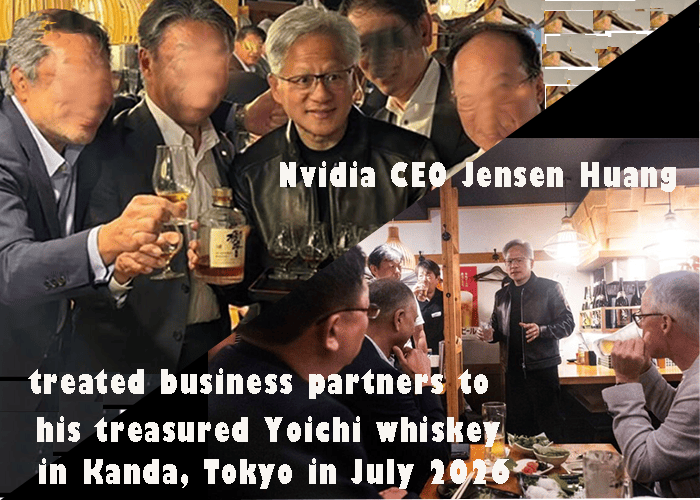
Jensen Huang, a Taiwanese-American founder and CEO born in 1963 and widely regarded as one of today’s most important technology executives—who advanced the GPU technology that underpins the generative AI boom and led NVIDIA to become a global giant.
And he treated his Japanese business partners to his prized and rare collection of Yoichi or whiskies from the same lineage of Yoichi including Suntory at an izakaya in Kanda, Tokyo, in July 2026.
What are some long-selling whiskey brands in Japan?
The whiskey featuring the character in the attached image (commonly known as “the bearded man”) is from the original “Black Nikka” brand, which was launched in 1956 (Showa 31).
This character is called “KING of BLENDERS” and is modeled after Sir W. P. Lawley, a master whisky blender who actually lived in 19th-century England. He holds a whisky tasting glass in one hand and a barley ear in the other.
Initially, a small badge featuring the character was hung from the neck of the whiskey bottle, but starting with the “New Black Nikka” released in 1965 (Showa 40), the familiar label design began to be printed directly onto the bottle itself.
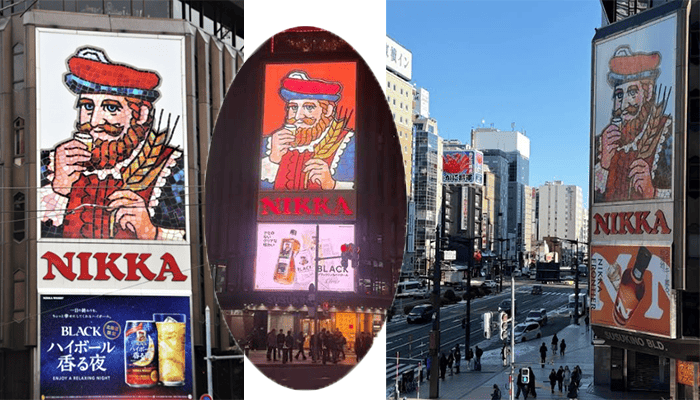
The massive neon sign at the Susukino intersection in Sapporo, Hokkaido—with its stained-glass mosaic-style design—has watched over the intersection for nearly a century.
The sign was first installed in 1969. Black Nikka has been beloved for nearly 100 years since the brand’s inception and is a long-selling product that epitomizes the history of Japanese whiskey.
Thank you for reading all the way to the end.
